
Understanding the Impact of Orthopaedic Products on Patient Satisfaction


Introduction to Orthopaedic Products
Orthopaedic products play a crucial role in enhancing patient satisfaction by improving mobility, reducing pain, and facilitating faster recovery. These products include a variety of devices such as braces, supports, prosthetics, and orthotic insoles, tailored to meet individual patient needs.
Understanding the impact of these products on patient satisfaction involves analyzing their functionality, comfort, and effectiveness in daily life. With advancements in technology, orthopaedic products have become more sophisticated, offering better outcomes for patients.
The Role of Customization
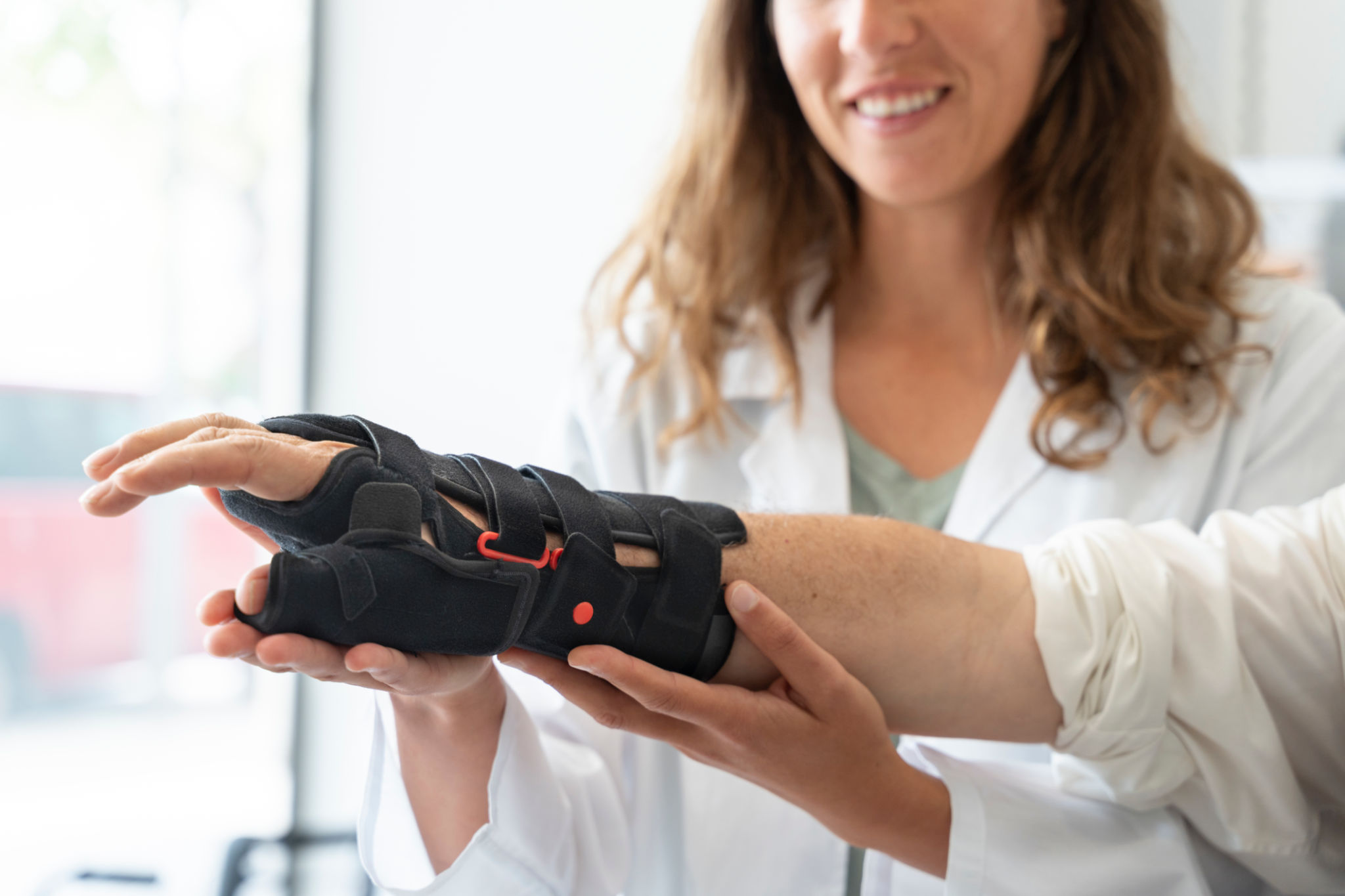
One significant factor contributing to patient satisfaction is the customization of orthopaedic products. Customization ensures that the products fit perfectly, providing the necessary support and comfort. This is particularly important for devices like prosthetics and orthotic insoles, where a precise fit can dramatically enhance usability.
Patients often report higher satisfaction levels when products are tailored to their unique anatomy and lifestyle needs. Customization not only improves physical comfort but also boosts psychological well-being, as patients feel more confident in their daily activities.
Technological Advancements
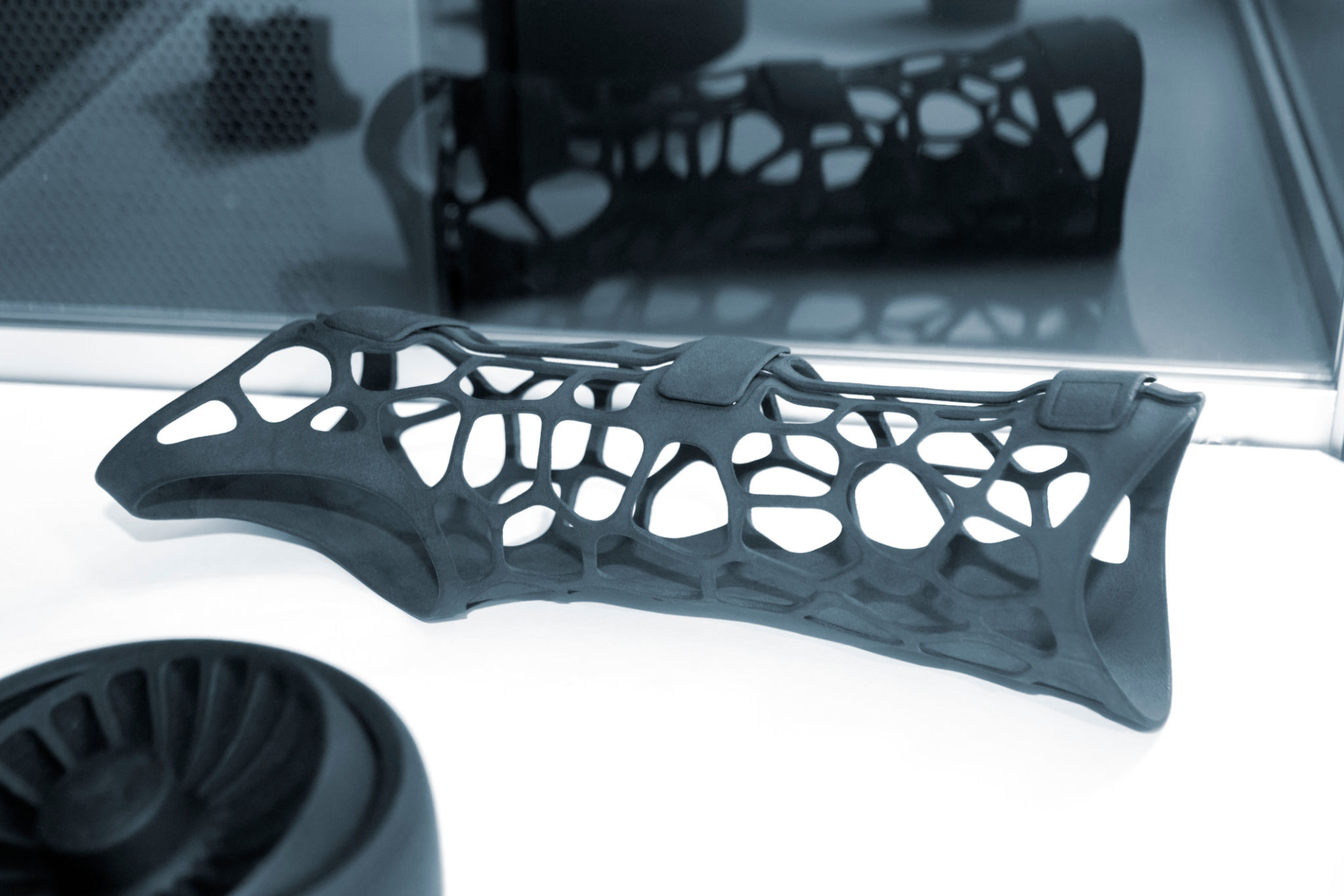
Technological advancements in orthopaedic products have revolutionized patient care. Innovations such as 3D printing allow for more precise and faster production of custom devices. Smart technology integration, like sensors in braces, can provide real-time feedback to both patients and healthcare providers.
These advancements not only improve the functionality and comfort of orthopaedic products but also enhance patient engagement in their own care. The ability to track progress and adjust treatment plans accordingly leads to higher satisfaction rates.
Importance of Education and Support
Education and support are pivotal in maximizing the impact of orthopaedic products on patient satisfaction. Patients need to understand how to use and maintain their devices properly. This often involves comprehensive training sessions provided by healthcare professionals.
Support systems, including follow-up appointments and access to resources, ensure that patients are not left to navigate their recovery alone. When patients feel supported, their satisfaction and compliance with treatment plans tend to improve significantly.
Measuring Patient Satisfaction
Measuring patient satisfaction with orthopaedic products is essential for continuous improvement. Surveys and feedback forms are common tools used to gauge satisfaction levels and identify areas for enhancement.
- Comfort and fit of the product
- Effectiveness in pain reduction
- Ease of use in daily activities
- Aesthetic appeal
By focusing on these factors, manufacturers and healthcare providers can make informed decisions to refine their products and services.

Conclusion: Enhancing Patient Outcomes
Orthopaedic products have a profound impact on patient satisfaction, influencing both physical and emotional well-being. The combination of customization, technological advancements, education, and consistent support contributes to positive patient outcomes.
As the industry continues to evolve, a patient-centered approach will remain crucial in designing orthopaedic products that not only meet clinical needs but also enhance the overall patient experience.