
Understanding Orthopaedic Product Experience Surveys: Why They Matter


Introduction to Orthopaedic Product Experience Surveys
In the ever-evolving field of orthopaedics, understanding patient experiences with products is crucial. Orthopaedic product experience surveys provide valuable insights that help manufacturers and healthcare providers enhance their offerings. These surveys are essential in ensuring that products meet patient needs, leading to improved outcomes and satisfaction.
What Are Orthopaedic Product Experience Surveys?
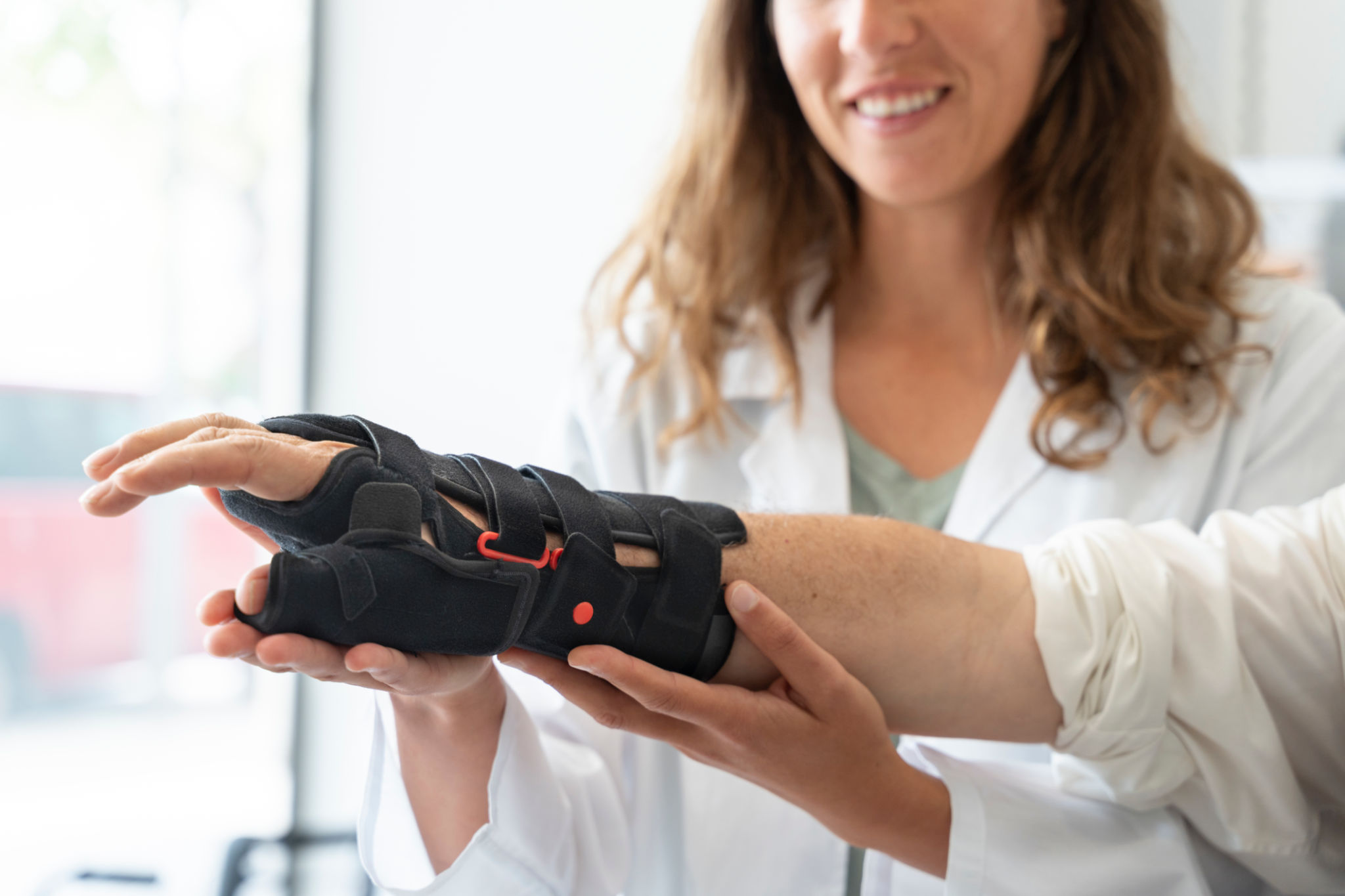
Orthopaedic product experience surveys are tools used to gather feedback from patients who use orthopaedic products such as braces, implants, or prosthetics. These surveys typically include questions about the product's comfort, functionality, and overall effectiveness. The data collected helps in identifying areas for improvement and innovation.
By understanding the user's perspective, companies can adapt their products to better meet patient needs. This not only enhances the patient experience but also contributes to the development of more effective orthopaedic solutions.
The Importance of Patient Feedback
Patient feedback is essential in the orthopaedic industry. It offers direct insights into how products perform in real-world settings. By analyzing this feedback, manufacturers can make informed decisions about product design and development. This iterative process leads to products that are more aligned with patient expectations.

Moreover, patient feedback helps healthcare providers recommend the most suitable products for individual needs, ensuring better patient care and satisfaction. It also fosters trust and transparency between patients, healthcare providers, and manufacturers.
How Surveys Enhance Product Development
Surveys play a pivotal role in product development by highlighting strengths and weaknesses in current offerings. They enable manufacturers to prioritize areas for improvement, ensuring that resources are allocated effectively. By focusing on user-driven innovation, companies can maintain a competitive edge in the market.
Orthopaedic product experience surveys often lead to incremental improvements that enhance performance and usability. These small but significant changes can greatly impact patient quality of life, making the development process more responsive and patient-focused.

Key Components of Effective Surveys
For surveys to be effective, they must be well-designed and easy to understand. Key components include:
- Clear and concise questions: Ensure questions are straightforward to avoid confusion.
- Relevance: Focus on aspects that directly impact patient experience.
- Confidentiality: Assure participants that their responses are confidential to encourage honest feedback.
Conclusion
Understanding orthopaedic product experience surveys is essential for anyone involved in the development or recommendation of orthopaedic products. By leveraging patient feedback, the industry can continue to innovate and improve, ultimately enhancing patient outcomes and satisfaction.