
Understanding Orthopaedic Product Experience Surveys: A Comprehensive Guide


The Importance of Orthopaedic Product Experience Surveys
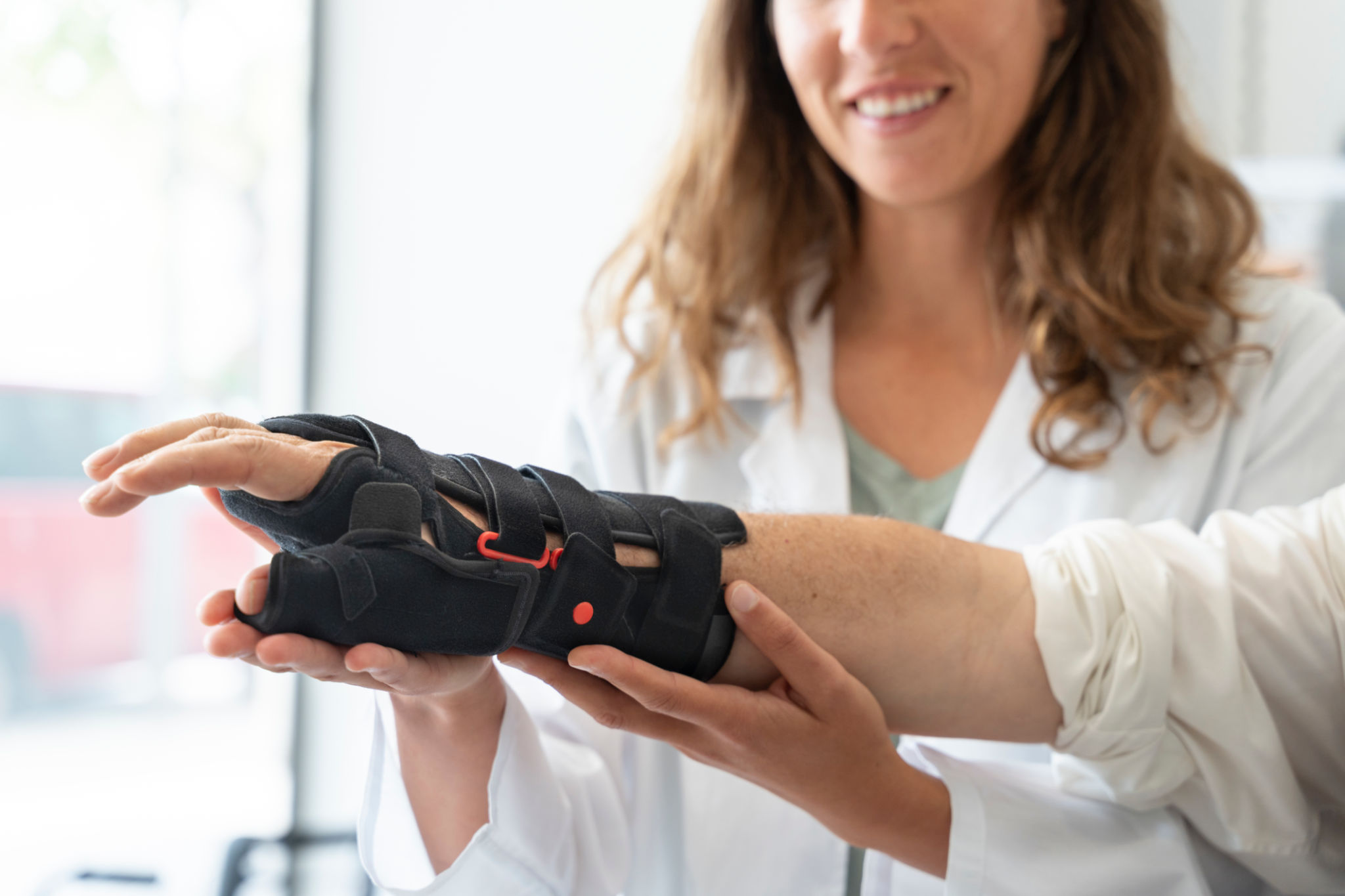
In the world of orthopaedics, understanding the patient's experience with products is crucial. Orthopaedic product experience surveys are designed to gather detailed insights about the effectiveness, comfort, and overall satisfaction of medical devices. These surveys play a pivotal role in driving innovation and ensuring that products meet the needs of patients and healthcare providers alike.
By conducting these surveys, companies can obtain valuable feedback that highlights areas for improvement and innovation. This feedback loop is essential for maintaining high standards in patient care and ensuring that the orthopaedic products on the market are both effective and user-friendly.
Designing Effective Surveys
Creating an effective orthopaedic product experience survey involves several key elements. First, it is important to define clear objectives. What specific information are you hoping to gain? This could range from understanding pain relief effectiveness to evaluating ease of use.
Next, consider the design of the survey questions. Questions should be concise, relevant, and easy to understand. Using a mix of quantitative and qualitative questions can provide a more comprehensive view of the user experience. For example, while a rating scale can quantify satisfaction, open-ended questions can delve deeper into specific user experiences.

Choosing the Right Survey Distribution Method
Once the survey is designed, selecting the appropriate distribution method is critical. Options include online surveys, paper forms, or in-person interviews. Online surveys are often preferred due to their convenience and ability to reach a wide audience quickly. However, in-person interviews can provide more detailed, qualitative data.
Analyzing Survey Results
After collecting survey data, the next step is thorough analysis. This process involves identifying trends, patterns, and outliers in the responses. Statistical tools and software can assist in breaking down large datasets to reveal actionable insights.
It is crucial to not only focus on overall satisfaction scores but also on specific feedback areas that may indicate significant issues or opportunities for improvement. By doing so, companies can prioritize changes that will have the most substantial impact on user satisfaction and product performance.

Implementing Changes Based on Feedback
Feedback from orthopaedic product experience surveys should lead to tangible changes. Whether it's redesigning a product component or enhancing customer support services, the goal is to improve the overall user experience.
Incorporating feedback into the product development cycle ensures that new iterations of products better meet user needs. This proactive approach not only addresses current issues but also anticipates future challenges, maintaining a competitive edge in the market.

The Impact on Patient Care
Ultimately, the end goal of orthopaedic product experience surveys is to enhance patient care. By continuously refining products based on real-world feedback, companies contribute to better health outcomes and improved quality of life for patients.
Orthopaedic professionals rely on high-quality products to deliver effective treatment. Ensuring these products meet stringent standards through regular feedback loops is essential for maintaining trust and reliability in the healthcare industry.
In conclusion, understanding orthopaedic product experience surveys is essential for any company involved in this sector. By effectively gathering and implementing feedback, these surveys become a powerful tool for innovation and improvement, benefitting both patients and healthcare providers alike.