
The Ultimate Guide to Orthopaedic Product Experience Surveys


In the competitive field of orthopaedics, understanding the patient and clinician experience with products is crucial. *Orthopaedic product experience surveys* are a valuable tool for gathering insights that can drive improvements and innovations.
Why Conduct Orthopaedic Product Experience Surveys?
Surveys provide a direct line to user feedback, allowing manufacturers to understand how their products perform in real-world settings. This information can lead to better product design, increased patient satisfaction, and improved clinical outcomes.
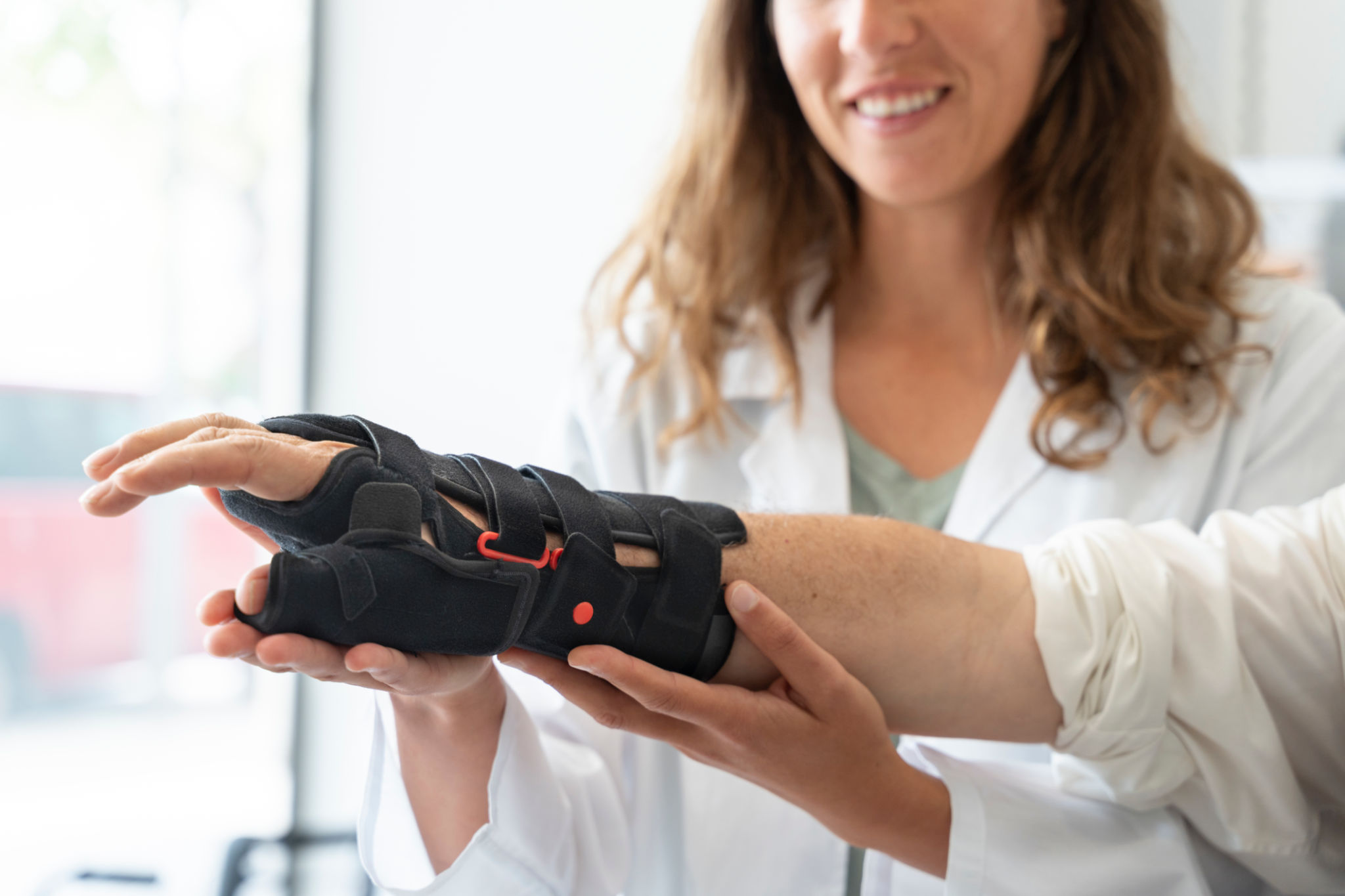
Moreover, gathering user insights can help in identifying any unforeseen issues with the product, ensuring that necessary modifications are made before they affect a larger patient population.
Designing Effective Surveys
Identify Objectives
Before crafting a survey, it's important to define what you aim to achieve. Are you looking to understand overall satisfaction, pinpoint specific pain points, or gather data for a new product iteration? Having clear objectives will guide the survey design process.
Question Types
Use a mix of *quantitative* and *qualitative* questions. Quantitative questions provide measurable data, while qualitative questions offer deeper insights into user experiences and emotions. Ensure that questions are clear, concise, and unbiased to get the best responses.

Distributing the Survey
Choosing the Right Channels
Select channels that are most likely to reach your target audience. Email, direct mail, and online platforms can be effective, but consider where your audience is most active. Tailor your communication to each channel to enhance engagement.
Incentives and Motivation
Offering incentives, such as discounts or entry into a prize draw, can increase participation rates. Make sure the incentives are relevant and appealing to your audience to maximize response rates.

Analyzing and Acting on Feedback
Once you've collected the survey data, thorough analysis is crucial. Look for patterns and trends that can inform product development and marketing strategies. Prioritize actionable insights that align with your business goals.
Implement changes based on the feedback, and communicate these improvements to your audience. Showing that you listen and respond to feedback can significantly enhance brand loyalty and trust.
Continuous Improvement
Orthopaedic product experience surveys should be part of an ongoing process of improvement. Regularly updating your surveys and maintaining open channels of communication with users will ensure your products continue to meet their needs and expectations.
Incorporating these strategies will not only enhance the effectiveness of your orthopaedic products but also strengthen your relationship with users, setting your brand apart in the marketplace.