
Case Study: Successful Orthopaedic Product Implementation Through Feedback


Introduction
In the competitive world of orthopaedic products, the key to success often lies in the ability to listen and adapt. This case study explores how a leading orthopaedic company successfully implemented a new product by leveraging customer feedback. The approach not only improved the product but also strengthened customer relationships and brand reputation.
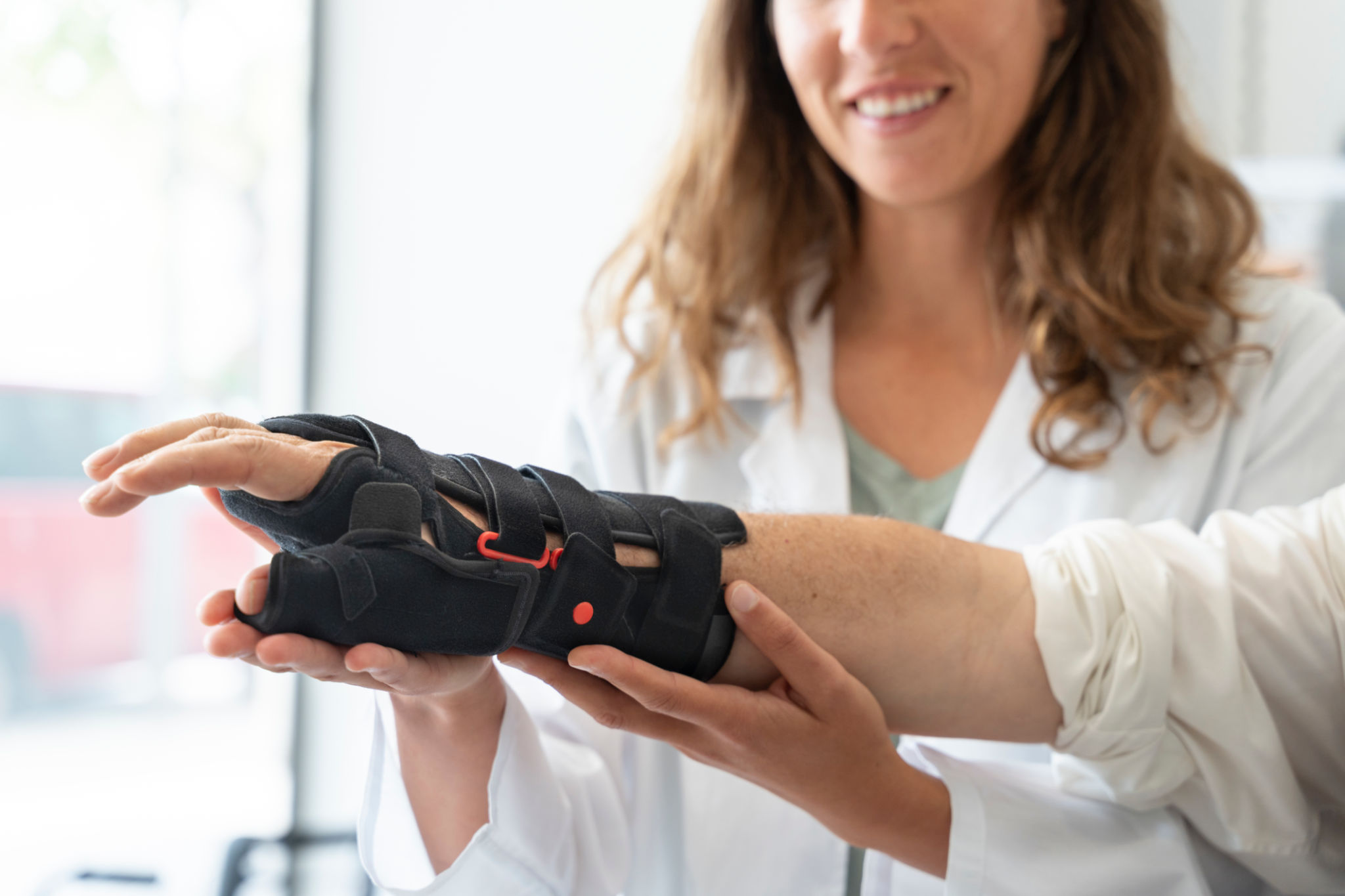
Understanding Customer Needs
Before launching their new knee brace, the company conducted extensive research to understand the needs and preferences of their target audience. This involved conducting surveys, interviews, and focus groups with healthcare professionals and patients. The insights gathered highlighted specific pain points and areas for improvement in existing products.
Identifying Key Feedback Areas
Through this research, the company identified three critical areas for product enhancement:
- Comfort and fit for prolonged use
- Durability and material quality
- User-friendly design for easy application
Armed with this valuable feedback, the company set out to refine their product.

Product Development and Testing
In response to the feedback, the company's R&D team worked diligently to address the identified issues. They explored innovative materials and engineering techniques to enhance comfort and durability. Prototypes were developed and underwent rigorous testing with real users, ensuring that the final product met the desired standards.
Iterative Design Process
The design process was iterative, involving multiple rounds of testing and feedback. Each iteration brought the product closer to perfection. The company maintained open communication channels with testers, allowing for continuous improvements and fostering a sense of collaboration.

Successful Product Launch
With a refined product in hand, the company launched their new knee brace to the market. The positive reception was overwhelming, with users praising the enhanced comfort and usability. Sales figures exceeded expectations, and the product quickly became a top choice for orthopaedic professionals.
Impact on Brand Loyalty
The success of the product launch had a ripple effect on brand loyalty. Customers appreciated the company's commitment to listening and responding to their needs. This not only boosted sales but also strengthened the company's reputation as a customer-centric brand.
Conclusion
This case study demonstrates the power of feedback in product development. By actively engaging with their audience and incorporating their insights, the orthopaedic company not only created a successful product but also built lasting relationships with their customers. This approach serves as a valuable lesson for businesses in any industry: to thrive, listen to those you aim to serve.