
Case Study: Improving Orthopaedic Products Through User Feedback


Introduction to Orthopaedic Product Innovation
The field of orthopaedic products is constantly evolving, driven by the need to improve patient outcomes and enhance quality of life. A critical factor in this evolution is incorporating user feedback into the design and development process. By listening to the needs and experiences of users, manufacturers can create more effective and user-friendly products.
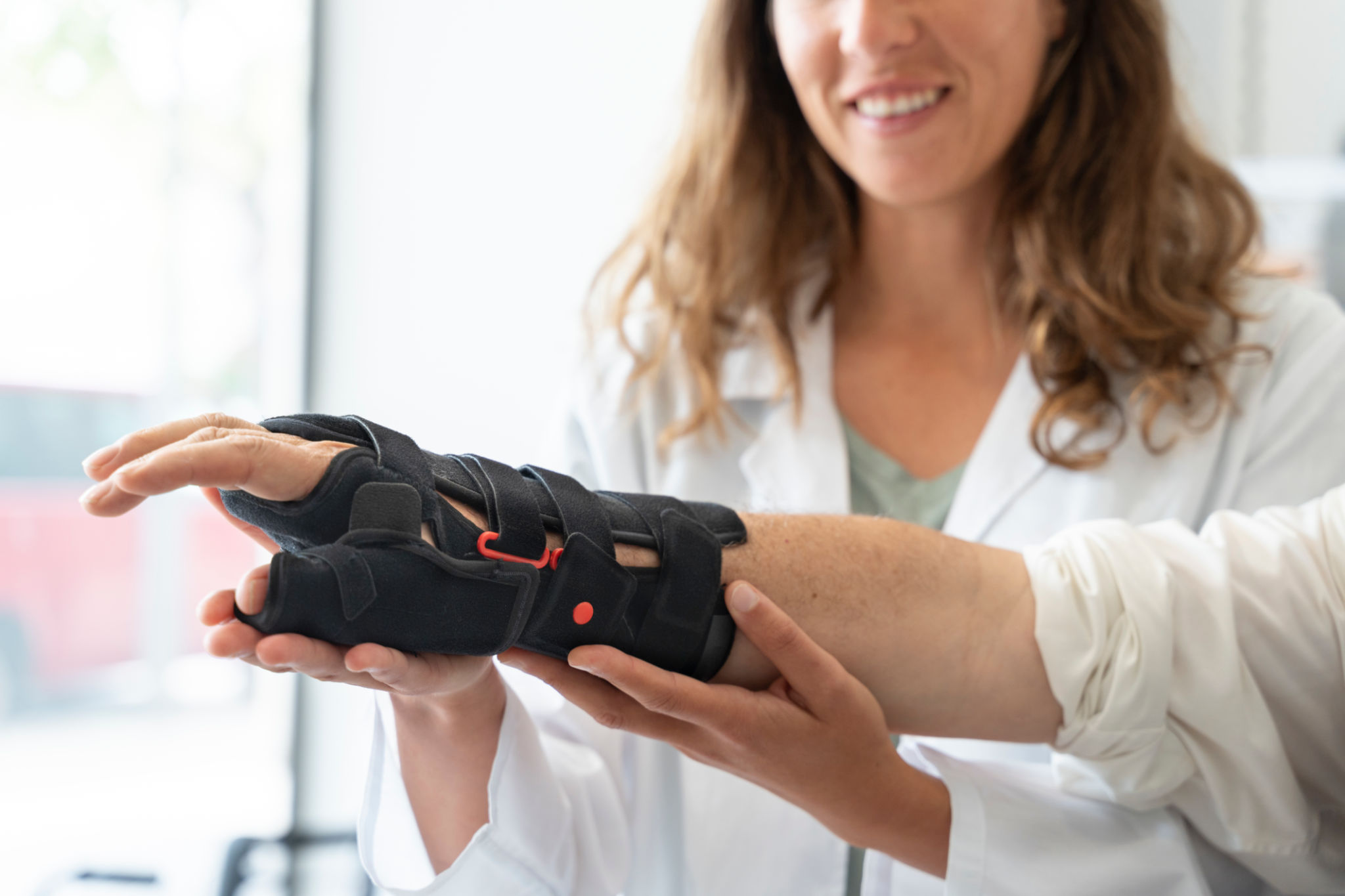
Gathering User Feedback
Collecting feedback from users, including patients and healthcare professionals, is essential for understanding the strengths and weaknesses of existing products. This feedback can be gathered through various methods such as:
- Surveys and questionnaires
- Focus groups
- One-on-one interviews
Each method provides unique insights that can inform product development and innovation.
Analyzing Feedback for Valuable Insights
Once feedback is collected, it must be carefully analyzed to identify common themes and specific areas for improvement. This analysis can help manufacturers understand which features are most important to users and where their products may be falling short.

Identifying Key Areas for Improvement
Through analysis, manufacturers can pinpoint specific areas that require enhancement. Common focus areas include:
- Comfort and fit
- Functionality and ease of use
- Durability and longevity
Addressing these areas can significantly improve user satisfaction and product effectiveness.
Implementing Changes Based on Feedback
After identifying key areas for improvement, the next step is to implement changes in the product design and manufacturing process. This may involve:
- Redesigning product components
- Incorporating new materials
- Enhancing product testing procedures
These changes ensure that the final product meets the evolving needs of its users.

Case Study: Successful Product Enhancement
One orthopaedic company successfully utilized user feedback to enhance their knee brace product. By focusing on user comfort and mobility, they redesigned the brace to include a more flexible material and adjustable straps. This resulted in a product that was not only more comfortable but also provided better support.
The impact was significant, with increased customer satisfaction and a notable rise in sales.
Conclusion: The Power of User Feedback
Incorporating user feedback into the design and development of orthopaedic products is crucial for creating solutions that truly meet the needs of users. By actively engaging with users and implementing their insights, manufacturers can drive innovation and improve patient outcomes.
Ultimately, this approach not only benefits the end-users but also enhances the reputation and success of the company in the competitive orthopaedic market.
